
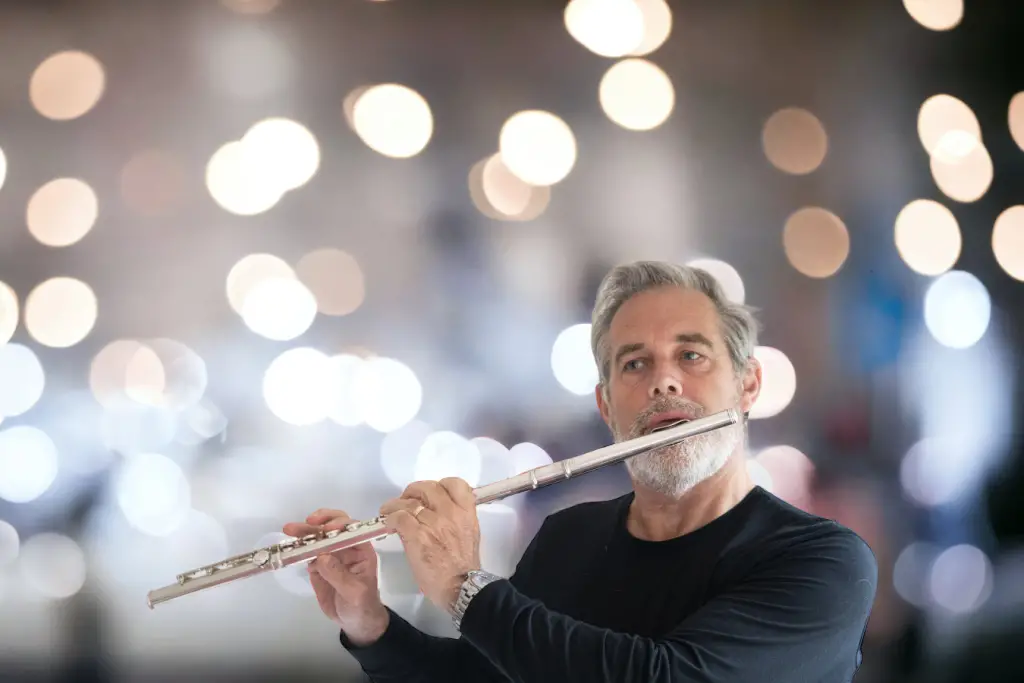
Learning to play the flute is an enriching journey that many embark on with aspirations of mastering this enchanting instrument. While some individuals may wonder if it’s possible to learn the flute without a teacher, having guidance from a teacher can significantly enhance the learning process and technique. With a teacher’s expertise, learners are less likely to develop bad habits and more likely to progress swiftly.
Self-taught flute players may initially find success, especially if they possess a solid background in music theory and an ability to read sheet music. Yet, challenges such as proper embouchure, tonguing, and breath control might require additional support to refine skills. For those who choose to pursue lessons, instructors offer personalized feedback and tailored exercises that cater to individual strengths and weaknesses.
Moreover, teachers can introduce learners to a broader range of flutes, expanding their musical repertoire. For example, a student comfortable with the flute basics might find joy in exploring the sound of the alto or bass flute in ensembles. Ultimately, while one can start the flute journey independently, professional guidance can lead to a more structured and rewarding experience.
Exploring Self-Taught Flute Learning
Learning the flute without a teacher is a viable option, depending on individual goals and dedication. Many aspiring flutists start their journey by exploring online lessons, which provide flexibility and access to a vast array of resources. Websites like The Flute Channel and JustAnotherFlutist offer structured content that guides beginners through the basics.
Key Challenges:
- Posture and Technique: Without guidance, beginners may develop bad habits, like improper posture or hand positioning.
- Motivation: Staying motivated without external feedback can be difficult.
Benefits of Self-Teaching:
- Pacing: Students can progress at their own speed.
- Cost-Effective: Online flute lessons are often less expensive than in-person sessions.
It’s essential for self-taught learners to remain proactive in seeking feedback and adjusting methods as needed. Engaging with online communities, such as discussion forums or social media groups dedicated to flute learning, can provide valuable support and encouragement.
It’s suggested that newcomers might consider investing in a few professional lessons if possible, even just to set a solid foundation for their practice. This approach can help learners avoid common mistakes that are tougher to correct later. As they advance, trying other types of flutes, like the piccolo or alto flute, can broaden abilities and maintain interest.
Considering Professional Guidance
Deciding whether to engage a flute teacher or pursue learning independently can greatly influence your progress and technique. Understanding the benefits of professional guidance and the options available for flute lessons is crucial.
Benefits of a Flute Teacher
A flute teacher can provide personalized instruction that caters to a student’s specific needs. They offer immediate feedback on technique, posture, and embouchure, helping to correct mistakes that are often hard to unlearn when practicing alone. A skilled teacher can introduce students to a structured practice routine and a variety of flute repertoire. Working with a teacher might also facilitate setting realistic goals and staying motivated over the long term. For those aiming to join ensembles or orchestras, a teacher’s guidance in preparing for auditions and performances is invaluable. For insights into finding the right flute teacher that fits your needs, visit Flute Muse.
Choosing Between Private and Music School Lessons
Deciding between private lessons and attending a music school depends on personal preferences and goals. Private lessons offer individualized attention and can be scheduled flexibly to fit a learner’s timetable. They allow for a more tailored approach to learning and can be ideal for those with specific goals, such as playing in an orchestra. On the other hand, music school lessons often provide a more structured environment, with opportunities to participate in group sessions and ensembles. They might offer more comprehensive educational resources and a broader curriculum. It’s important to assess the qualifications and teaching style of instructors in both settings to ensure a good fit. To explore the importance of having a private teacher with a clear idea of your goals, consider insights from Reddit.
Evaluating Your Learning Style and Goals
When deciding whether to take flute lessons or embark on self-study, it’s crucial to understand your personal learning style and set appropriate goals. Being aware of how you best absorb information and your individual objectives can help you make informed decisions.
Self-Assessment for Potential Self-Learners
Assessing your interests and abilities is key to determining the best approach for learning the flute. Consider whether you thrive in structured environments or if you prefer the flexibility of independent study. Those with strong self-discipline and motivation may find self-learning effective, as they can set their own pace and curriculum.
It’s also important to evaluate your experience with other instruments. If you’ve successfully taught yourself to play another instrument, this could indicate a higher likelihood of succeeding with the flute without a teacher. Additionally, reflect on your ability to process new information independently and seek out resources such as learning styles that cater to your preferred methods of learning, whether visual, auditory, or kinesthetic.
Setting Realistic Expectations
Defining clear and achievable goals is essential when deciding on flute lessons or self-study. If aiming to read sheet music proficiently or master complex techniques, professional instruction might accelerate progress. Teachers provide tailored feedback, structured lesson plans, and a wealth of knowledge that can enhance your learning journey.
On the other hand, if you’re pursuing the flute as a hobby or for personal enjoyment, self-study might suffice. Determine the level of proficiency you desire and how much time you can realistically dedicate to practice. Setting modest goals initially, such as learning a simple piece or mastering basic scales, can provide encouragement and help track progress, eventually leading to more advanced pursuits later on.
Resources and Tools for Learning the Flute
Many aspiring flutists wonder whether they need a teacher to learn effectively. While a teacher can provide personalized feedback, there are numerous online resources available for self-learners. Websites such as Learn Flute Online offer free introductory lessons, making it a great starting point for beginners.
For players who prefer structured guidance, Jeffrey Khaner’s lessons provide step-by-step instruction. His extensive experience with The Philadelphia Orchestra ensures high-quality lessons that cater to different skill levels.
Self-taught players can access tips and advice online, which can aid in developing good habits and exploring advanced techniques. These resources cover foundational skills and encourage experimentation with other types of flutes like the piccolo or the alto flute.
In addition to videos and articles, several platforms offer interactive tools. Online music tools, such as metronomes and tuners, are essential for regular practice. These help players maintain rhythm and ensure accurate intonation.
Joining forums and online communities also benefits learners by offering a space to share experiences and seek additional advice. Discussions can be enriching and provide support from fellow flutists.
With these varied resources, learners can tailor their experience to suit their individual pace and goals. Whether supplementing traditional lessons or embarking on a self-teaching journey, numerous options are available to aid in mastering the flute.