
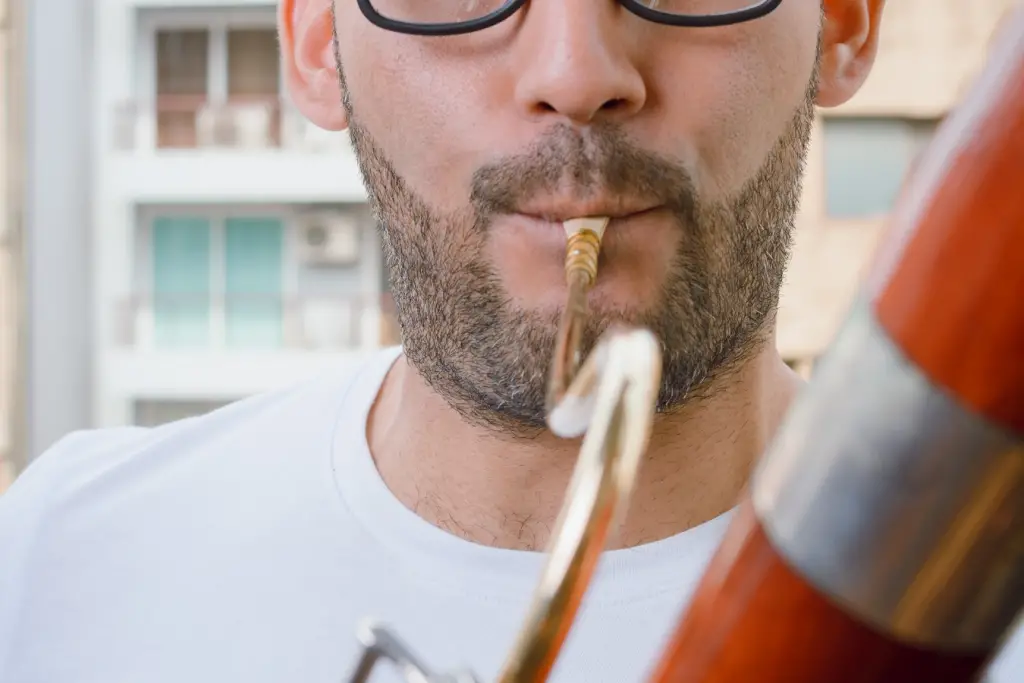
When people think of jazz instruments, the bassoon might not be the first to come to mind. Traditionally associated with classical and orchestral music, the bassoon has a reputation for being an expressive, versatile instrument—but rarely is it considered part of the jazz world. However, the bassoon’s rich, resonant tone and incredible range make it an excellent candidate for jazz when approached creatively.
This article explores the history, challenges, and possibilities of playing jazz on the bassoon, offering insights into its potential as a jazz instrument and tips for diving into the genre.
The Bassoon in Classical Music vs. Jazz
Before diving into jazz bassoon, it’s important to understand how the instrument’s role differs between classical and jazz settings:
Classical Bassoon
- Primary Role: Provides harmonic support, countermelodies, and solo passages.
- Tone: Known for its warm, dark timbre.
- Repertoire: Extensive works by composers like Mozart, Vivaldi, and Stravinsky.
Jazz Bassoon
- Primary Role: Adds unique timbre to melodies, improvisation, or ensemble arrangements.
- Tone: Can be adapted for brighter, punchier sounds to fit jazz styles.
- Repertoire: Less traditional but growing as jazz composers embrace it.
While classical music emphasizes precision and blending, jazz opens the door to improvisation, individuality, and experimentation.
Challenges of Playing Jazz on a Bassoon
The bassoon’s design and traditional role in music present unique challenges for jazz performance. However, these challenges can be overcome with practice and creativity:
1. Limited Tradition in Jazz
- Unlike saxophones or trumpets, the bassoon lacks a well-established presence in jazz.
- Players must adapt techniques and create their own jazz vocabulary.
2. Technical Complexity
- The bassoon’s fingerings are intricate and require agility, which can make fast jazz runs challenging.
- Managing the reed’s response during rapid improvisation adds to the complexity.
3. Volume and Projection
- Compared to brass or louder woodwinds, the bassoon may struggle to project in a loud jazz band.
- Microphones or amplification are often necessary.
4. Reed Adjustments
- Jazz styles demand a more flexible reed, requiring modifications to traditional setups.
Jazz Pioneers and Notable Jazz Bassoonists
Although rare, several musicians have embraced the bassoon as a jazz instrument and paved the way for others:
1. Karen Borca
- One of the first bassoonists to make a mark in jazz, Borca played in ensembles like the Vienna Art Orchestra.
- Known for her innovative improvisations and ability to blend seamlessly into jazz ensembles.
2. Michael Rabinowitz
- A contemporary bassoonist specializing in jazz, Rabinowitz has recorded multiple albums as a soloist.
- He showcases the bassoon’s versatility in bebop, swing, and fusion styles.
3. Paul Hanson
- Hanson integrates the bassoon into jazz and fusion, blending it with modern technology like electric effects.
- His work demonstrates how the bassoon can produce vibrant, dynamic sounds in jazz.
Adapting the Bassoon for Jazz Performance
If you’re interested in playing jazz on the bassoon, some adjustments to technique and equipment can make the transition smoother:
1. Experiment with Tone Production
- Use a brighter tone to cut through the mix in a jazz ensemble.
- Practice different embouchure techniques to create flexibility in tone.
2. Choose the Right Reed
- Softer reeds allow for more fluid articulation and better improvisation.
- Consider using reeds specifically designed for jazz playing or adjusting your reeds to suit jazz styles.
3. Amplification
- Use a clip-on microphone to enhance your sound in larger ensembles or louder settings.
- Explore electric pickups or effects pedals for unique sounds in jazz fusion.
4. Learn Jazz Scales and Chord Progressions
- Familiarize yourself with common jazz scales, such as the blues scale, Dorian mode, and altered scales.
- Practice playing over ii-V-I chord progressions, a staple of jazz improvisation.
Improvisation on the Bassoon
Improvisation is at the heart of jazz, and adapting the bassoon to this skill requires a blend of technical mastery and creativity:
1. Build Confidence with Small Steps
- Start by improvising over simple chord progressions, such as the 12-bar blues.
- Practice embellishing melodies rather than diving into complex solos immediately.
2. Use the Full Range of the Instrument
- The bassoon’s wide range allows for dynamic, expressive solos.
- Experiment with both low and high registers to add variety to your playing.
3. Develop Articulation Techniques
- Practice tonguing and slurring to achieve crisp articulation.
- Swing rhythms and syncopation are essential to authentic jazz phrasing.
4. Transcribe Jazz Solos
- Study solos by jazz musicians, even those who don’t play bassoon.
- Transcribing saxophone or trumpet solos can help you understand phrasing and style.
Best Jazz Styles for the Bassoon
Certain jazz styles are particularly well-suited for the bassoon, allowing its unique sound to shine:
1. Cool Jazz
- The bassoon’s smooth tone complements the relaxed, understated style of cool jazz.
- Listen to recordings by artists like Miles Davis or Gerry Mulligan for inspiration.
2. Fusion Jazz
- Fusion jazz blends jazz with elements of rock, funk, or electronic music, making it a great fit for amplified bassoon.
- Experiment with effects pedals to create innovative sounds.
3. Modal Jazz
- The bassoon’s ability to sustain and manipulate tones suits modal jazz, which focuses on extended harmonic exploration.
- Study albums like Kind of Blue by Miles Davis to understand modal improvisation.
Tips for Playing Jazz Bassoon in an Ensemble
When playing jazz in a group setting, consider these tips to integrate the bassoon effectively:
1. Find Your Role
- Depending on the ensemble, you might play melody lines, harmony parts, or solos.
- Collaborate with other musicians to determine your place in the arrangement.
2. Listen and Adapt
- Jazz relies heavily on listening and responding to other musicians.
- Practice blending your sound with different instruments, especially brass and rhythm sections.
3. Emphasize Rhythmic Precision
- Work with a metronome or drum backing tracks to hone your timing.
- Master the swing feel and syncopated rhythms that define jazz.
Resources for Jazz Bassoon Players
Books and Tutorials
- Jazz Bassoon Techniques by Michael Rabinowitz: A guide to improvisation and jazz phrasing.
- Patterns for Jazz by Jerry Coker: A comprehensive book on jazz scales and patterns.
Recordings
- Albums by Paul Hanson, such as The Visitor, showcase the bassoon in jazz contexts.
- Explore jazz ensembles featuring woodwinds for ideas on integrating bassoon.
Workshops and Ensembles
- Join jazz workshops or big band ensembles to gain experience in group settings.
- Collaborate with jazz musicians to develop your skills and expand your repertoire.
Conclusion
While the bassoon is not a traditional jazz instrument, its unique sound and expressive range make it a fascinating addition to the genre. By exploring tone production, improvisation techniques, and ensemble integration, you can unlock the bassoon’s potential as a jazz instrument. With practice, creativity, and inspiration from jazz pioneers, you can bring a fresh perspective to both the bassoon and the world of jazz.