
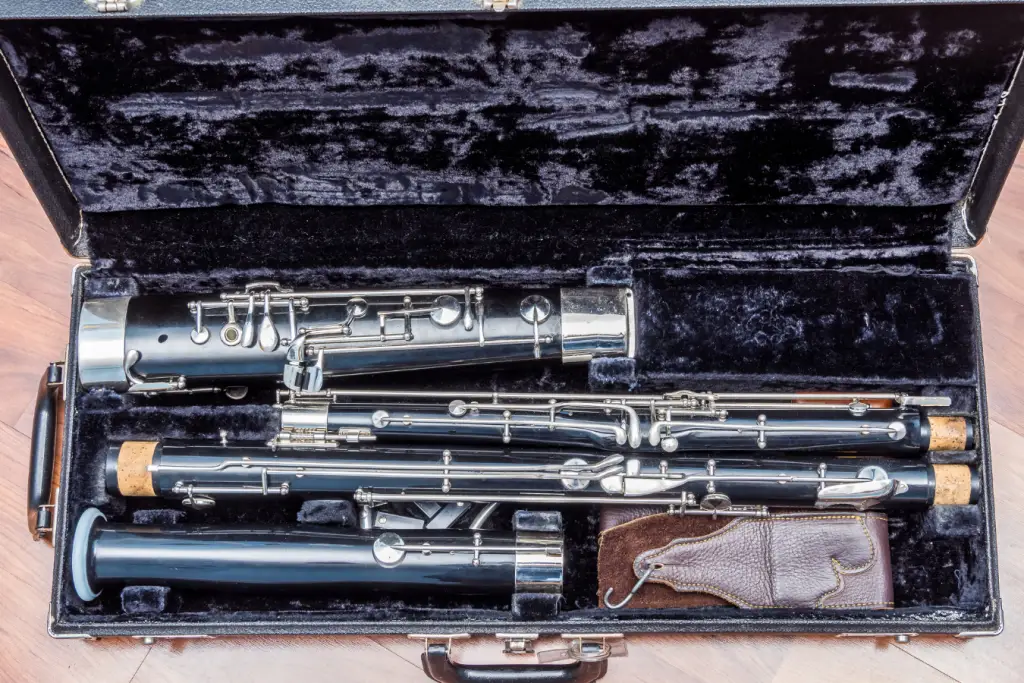
The bassoon is a versatile and expressive instrument that often evokes curiosity about its role in various musical ensembles. While it’s traditionally associated with orchestras and chamber music, the bassoon also has a place in the concert band. This article explores the bassoon’s role in concert bands, its unique contributions, and tips for players navigating this dynamic ensemble environment.
The Role of the Bassoon in a Concert Band
A Unique Voice
- The bassoon provides a rich, warm timbre that enhances the band’s overall sound.
- Its wide range allows it to play both melodic and harmonic roles, from deep basslines to expressive solos.
A Supporting Role
- In a concert band, the bassoon often reinforces the lower woodwind section, complementing the clarinets and saxophones.
- It may also double parts played by low brass instruments like the trombone or euphonium, adding warmth and texture.
Why the Bassoon is Perfect for Concert Bands
Dynamic Range
- The bassoon’s ability to transition smoothly between soft and loud dynamics makes it ideal for blending with other instruments.
- Its versatility allows it to adapt to various musical styles, from classical pieces to contemporary compositions.
Expressive Capabilities
- The bassoon’s tone is highly expressive, making it suitable for conveying emotion in lyrical passages.
- It can also handle complex technical parts, showcasing the player’s skill in faster, intricate sections.
Common Bassoon Parts in Concert Band Music
Basslines
- The bassoon often plays foundational basslines, supporting the harmonic structure of the music.
- These parts may align with the tuba, euphonium, or bass clarinet.
Melodic Lines
- In some pieces, the bassoon is given melodic passages, either as a solo or in unison with other woodwinds.
- These moments allow the instrument’s unique voice to shine.
Harmony and Doubling
- The bassoon frequently doubles parts played by other instruments, enriching the band’s overall sound.
- It contributes to the harmony, filling in gaps between higher-pitched instruments and the bass section.
Challenges of Playing Bassoon in a Concert Band
Balance and Projection
- The bassoon’s sound can be overpowered by louder brass instruments, especially in large ensembles.
- Players must focus on maintaining a strong, resonant tone to ensure their parts are heard.
Complex Fingerings
- Concert band music can include fast, technical passages that require precise finger coordination.
- The bassoon’s complex key system may pose a challenge in these situations.
Repertoire Adaptation
- Some concert band music may not have dedicated bassoon parts, requiring players to adapt from other parts, such as the bass clarinet or euphonium.
Tips for Playing Bassoon in a Concert Band
1. Focus on Tone Quality
- Work on producing a warm, resonant sound that blends well with the ensemble.
- Long tones and scales are essential exercises for developing consistent tone quality.
2. Listen and Blend
- Pay close attention to the other instruments in the band, especially the woodwinds and low brass.
- Aim to match dynamics, phrasing, and articulation to create a cohesive sound.
3. Practice Intonation
- Use a tuner and practice drones to ensure accurate intonation.
- Collaborate with other players in your section to fine-tune intervals and chords.
4. Adapt to Repertoire Needs
- Be prepared to adapt parts when necessary, especially if the music lacks a dedicated bassoon line.
- Learn to transpose or simplify parts to suit the bassoon’s range and capabilities.
5. Strengthen Technical Skills
- Practice fast passages and tricky fingerings to handle the technical demands of concert band music.
- Work on exercises that improve coordination and agility.
Repertoire Featuring the Bassoon in Concert Bands
While not all concert band music highlights the bassoon, several pieces give it a prominent role. Examples include:
- Percy Grainger’s “Lincolnshire Posy”: Features intricate woodwind passages where the bassoon contributes to the texture.
- Holst’s “Second Suite in F for Military Band”: Includes lyrical bassoon lines in several movements.
- Frank Ticheli’s “Blue Shades”: A modern piece with moments that showcase the bassoon’s expressive range.
- Alfred Reed’s “Russian Christmas Music”: Highlights the bassoon in hauntingly beautiful passages.
Collaborating with the Ensemble
1. Work with the Conductor
- The conductor will guide the ensemble on balance, dynamics, and phrasing.
- Communicate with the conductor if certain passages require adjustments for better blending.
2. Coordinate with Section Mates
- Collaborate with other low woodwinds, such as bass clarinet and baritone saxophone players, to ensure cohesive playing.
- Discuss phrasing and articulation to achieve uniformity.
3. Balance with Brass
- Be mindful of the brass section’s volume and adjust your playing to maintain balance.
- Use the bassoon’s natural timbre to complement, rather than compete with, the brass.
The Bassoon’s Impact on Concert Band Sound
The bassoon’s contribution to the concert band goes beyond playing notes. It adds a unique character to the ensemble, enhancing its overall sound. Here’s how:
- Depth: The bassoon’s lower register deepens the band’s harmonic foundation.
- Color: Its distinctive tone provides a contrast to brighter woodwinds and brass.
- Flexibility: The bassoon bridges the gap between the woodwind and brass sections, creating a unified sound.
Should You Play Bassoon in a Concert Band?
Absolutely! Playing bassoon in a concert band offers a rewarding experience for musicians of all levels. Here’s why:
- Opportunities for Growth: The diverse repertoire and ensemble dynamics help develop your musical skills.
- Collaborative Environment: You’ll work closely with other musicians, building teamwork and communication skills.
- Showcasing the Instrument: The bassoon’s unique voice stands out, giving you moments to shine.
Conclusion
The bassoon is a valuable and versatile addition to any concert band. Its rich tone, dynamic range, and expressive capabilities make it an essential part of the ensemble’s sound. While there are challenges to playing the bassoon in a concert band, the rewards far outweigh them. Whether you’re providing a steady bassline, enriching harmonies, or delivering a beautiful solo, the bassoon brings depth and character to the music. So, if you’re considering joining a concert band as a bassoonist, don’t hesitate—it’s an opportunity to showcase your talent and contribute to a vibrant musical tradition.